Why Your Water Heater Isn’t Producing Enough Hot Water in Wylie, TX
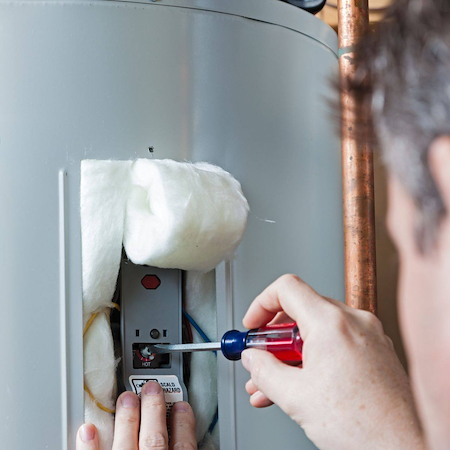
If your showers turn lukewarm halfway through or your dishwasher never quite gets hot, you’re not alone. Many Wylie homeowners run into the same hot water issues, especially during busy mornings. This guide explains what’s going on behind the scenes and when it’s time to schedule water heater services with Best of the West Plumbing so your home stays comfortable every day.
What “Not Enough Hot Water” Really Means
“Not enough hot water” shows up in a few ways. Your shower might start hot and fade fast. The kitchen sink might heat slowly and never reach the temperature you expect. Or your tankless system may keep up for one shower but not when two run at once. Each symptom points to a different bottleneck in how your system makes and moves hot water.
How Hot Water Systems Work In North Texas Homes
Most homes in Wylie use one of three systems: a storage tank, a tankless unit, or a heat pump water heater. Tank models heat and store a set volume, then refill and reheat after use. Tankless units heat water as it flows, so output depends on the incoming water’s temperature and how many fixtures run at the same time. Heat pump models pull heat from the surrounding air and are efficient when placed where the air stays within the manufacturer’s recommended range.
When demand is higher than what your system can produce, temperatures drop. That’s why the fix starts with understanding your home’s layout, your family’s routines, and your equipment’s capacity.
The Top Reasons For Low Hot Water Supply
Several common problems cut hot water short. A quick overview will help you know what to expect when a licensed technician evaluates your system.
- Undersized equipment for the household. A tank that’s too small or a tankless unit with limited flow capacity will struggle during back‑to‑back showers, laundry, and dishes.
- Sediment buildup in tank models. Mineral scale settles at the bottom of tanks and reduces effective capacity and heat transfer.
- Temperature rise limits. In winter, colder inlet water means the system must heat more, which can reduce output at taps furthest from the heater.
- Thermostat or control issues. If controls misread temperatures, the unit may shut off early or never reach setpoint.
- Degrading dip tube in older tanks. Cold water can mix at the top of the tank, diluting hot water before it leaves.
- Flow restrictions or mixing valve problems. A faulty mixing valve or crossover can blend in too much cold water.
- Long pipe runs and heat loss. Water can cool before it reaches upstairs baths or distant fixtures.
- Ambient air concerns for heat pump units. If the surrounding air is too cool or airflow is blocked, production drops.
- Exceeding tankless flow limits. Multiple fixtures open at once can push a tankless unit past its rated output.
Never raise water temperature to unsafe levels to “get more hot water.” Higher settings increase scald risk without solving an underlying system problem. The safer path is proper diagnosis and a targeted repair or upgrade.
What A Pro Checks First
When a Best of the West Plumbing technician arrives, we match your symptoms to measurable data. We look at real‑world flow rates at busy fixtures, compare supply temperature to setpoint, and confirm that electrical or gas input matches the unit’s needs. For tank models, we evaluate effective capacity and signs of internal scale. For tankless units, we review venting, inlet filters, and whether peak household demand exceeds rating.
- Measure temperature and flow at problem fixtures to confirm the gap between demand and output
- Verify controls, sensors, and safety devices are reading correctly
- Check for restrictions, crossover, or mixing valve faults
- Assess installation location for venting, combustion air, or airflow needs
- Review age and service history to judge reliability going forward
If you’re comparing technologies for your next step, our overview on tank vs. tankless vs. heat pump water heaters lays out how each option performs in North Texas homes.
Wylie, TX Factors That Make Hot Water Tricky
Local homes have layouts that test hot water delivery. Neighborhoods with larger footprints, like parts of Woodbridge and Bozman Farms, can have long pipe runs that cool water before it reaches a distant shower. Many garages host the water heater, which is convenient for maintenance but can expose equipment to big temperature swings during winter cold snaps.
Harder water in our region also speeds up mineral buildup inside tanks and heat exchangers. That buildup cuts effective capacity and can make recovery times feel painfully slow during busy evenings. A pro will consider these local details when planning your fix so you feel the difference where it matters most: at the tap.
Repairs That Restore Steady Hot Water
Once we pinpoint the cause, the right repair is usually clear. Controls can be recalibrated or replaced. Faulty mixing valves and worn dip tubes can be swapped for reliable parts. For tank systems with heavy scale, professional service restores heat transfer so you get more usable hot water from the same tank size.
With tankless systems, correcting flow restrictions, cleaning inlet screens, or adjusting venting can bring output back in line with your household’s needs. If ambient air is the limitation on a heat pump model, relocating the unit or improving airflow can boost production. In every case, we focus on practical fixes that improve comfort without guesswork.
When Replacement Makes More Sense
There are times when a repair won’t deliver the comfort or reliability you expect. Older equipment near the end of its typical service life, tanks with recurring internal corrosion, or units that are undersized for a growing family may be better candidates for replacement. Upgrading also lets you right‑size capacity and choose technology that fits your space and utility setup.
If you like the idea of high efficiency on electric, explore modern heat pump water heaters that work well in many Wylie garages. If gas service is available and simultaneous showers are the norm, a properly sized tankless system can provide continuous hot water within its flow limits. Your technician will walk you through the pros and tradeoffs based on your home’s layout and routines.
Right-Sizing For Your Household
The fastest way to run short on hot water is using equipment sized for a different lifestyle. We match capacity and output to how you live: number of baths, back‑to‑back showers, laundry schedules, and the distance to far fixtures. For tank models, that means choosing an appropriate storage volume and recovery rate. For tankless, we size to the coldest likely inlet water and the number of taps you use at once.
Families that host often, have teens with overlapping showers, or run laundry in the evening benefit from careful planning. We also consider space constraints and future changes, like a new bathroom or a backyard shower near the pool.
How We Help You Avoid The Next Shortage
After your system is running right, the goal is to keep it that way. Rather than handing you a list of do‑it‑yourself tasks, we set a service rhythm that fits your equipment and local conditions. A brief annual visit helps catch drift in controls, early signs of scale, or parts that are losing reliability. It’s a simple way to protect comfort during the school year, holidays, and big family weekends.
Water near kids’ baths should be checked for safe temperature during routine service. Keeping protection devices in top shape helps prevent scalds and surprises at the tap.
Real-World Examples From Wylie Homes
In a two‑story home in Birmingham Farms, the primary shower sat far from the garage water heater. The fix centered on output and delivery, not just temperature. By addressing the system’s production and confirming the hot water path to that upstairs bath, morning routines went from rushed to relaxed.
Another home near Alanis Drive had a tank model with years of mineral buildup. Even though the thermostat was set correctly, usable hot water ran out too fast. Once a pro restored proper heat transfer and confirmed controls, the same footprint delivered steadier, longer showers.
Why Choose Best of the West Plumbing For Wylie Water Heaters
You deserve a clear plan, not trial and error. Our licensed team sizes and installs systems every week across Wylie and nearby neighborhoods, so we know how local layouts and seasons affect hot water. We pair that experience with straightforward communication so you understand the why behind each recommendation.
If you want to explore options before a visit, our in‑depth guide to choosing the right system is a helpful next step. When you’re ready for hands‑on help, start with our water heater services and we’ll tailor the solution to your home and routine.
Get Reliable Hot Water Again In Wylie, TX
When hot water keeps running short, the fix is closer than you think. Reach out to Best of the West Plumbing at 972-509-0224 and we’ll pinpoint the cause, explain your options, and get your comfort back on track. If you’re comparing companies, you can also start at our homepage with a quick overview of water heater repair in Wylie, TX and other local services.
Your home should deliver the hot water you expect for showers, dishes, and laundry. Let our pros solve the bottleneck and set you up for seasons of steady comfort.
Stop Worrying & Start Fixing. Contact Our Plumbers In Wylie & Surrounding Areas!